Gold Bars: Ancient History, Modern Investment
Share
Types of Gold Bars
Gold bars come in various sizes and shapes, catering to the preferences and budgets of different investors and collectors. Some common types include:
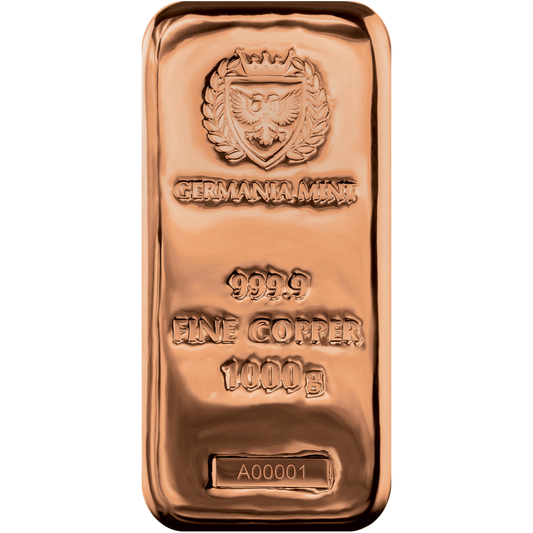
Kilogram Bars: These large bars are often preferred by institutional investors and central banks. They typically weigh 32.15 troy ounces and have a higher gold content.
Troy Ounce Bars: Smaller gold bars, typically ranging from 1 to 10 troy ounces, are favored by individual investors. They are easier to buy and sell and offer more flexibility.
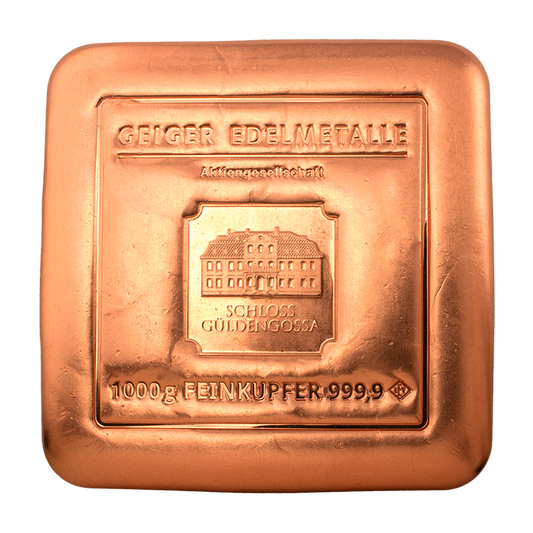
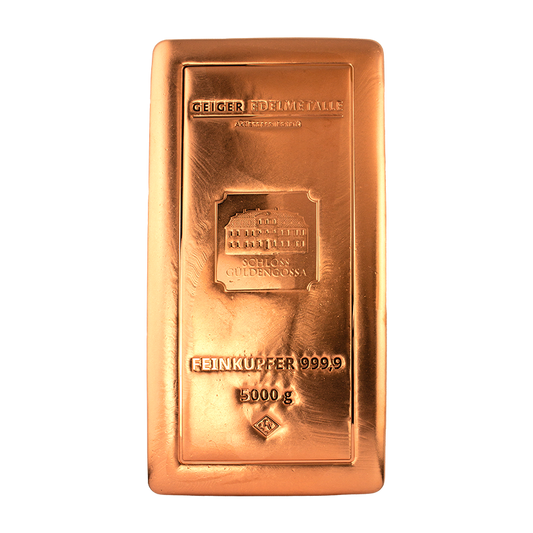
Unique Shapes: Some mints produce gold bars in unique shapes and designs, adding aesthetic appeal for collectors.
Challenges and ConsiderationsIt's important to note that investing in gold bars also comes with certain challenges and considerations:
Storage and Security: Due to their value, gold bars require secure storage, which may incur additional costs. Proper security measures are essential to protect your investment.
Market Volatility: Like any investment, the price of gold bars can fluctuate based on economic and geopolitical factors.
It's important to monitor the market and make informed decisions.Gold bars are more than just shiny pieces of metal; they are symbols of wealth, a means of preserving value, and a connection to centuries of human history. Whether you are a seasoned investor or a passionate collector, the allure of gold bars lies in their timeless beauty and intrinsic worth.